
Ethernet Wire & Cable: Cat6 Patch Leads and 305m Boxes
45 products · prices include VAT
Related pages:CAT6CAT5ECAT6AAll categories
45 products
Cable type
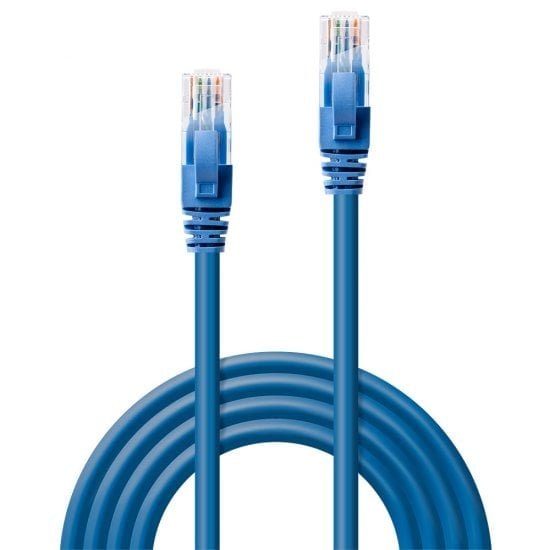
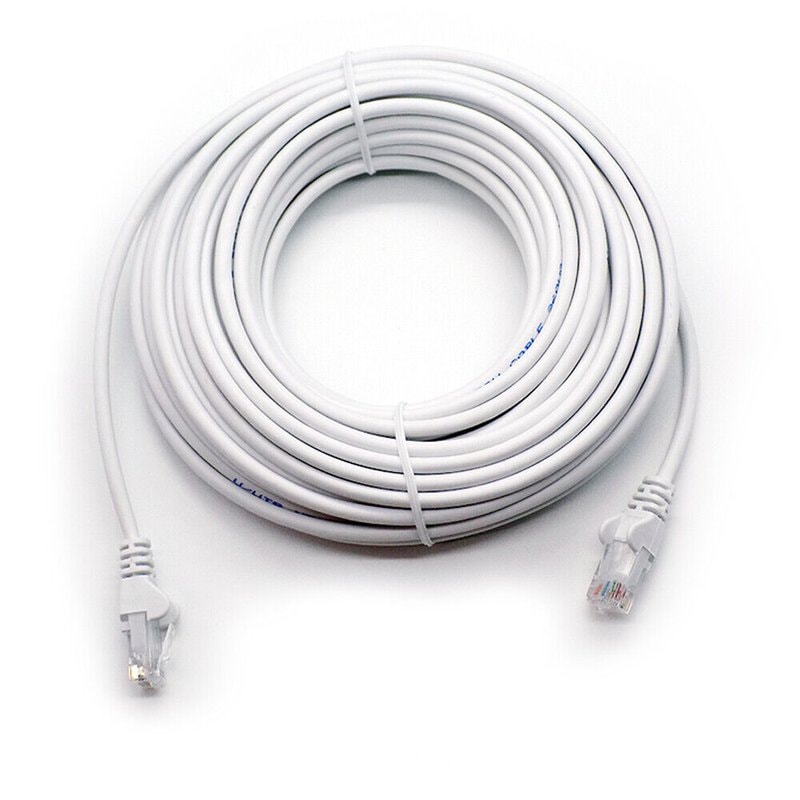
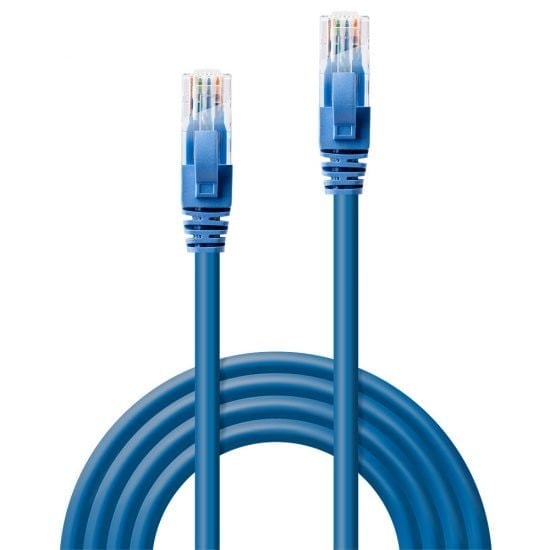
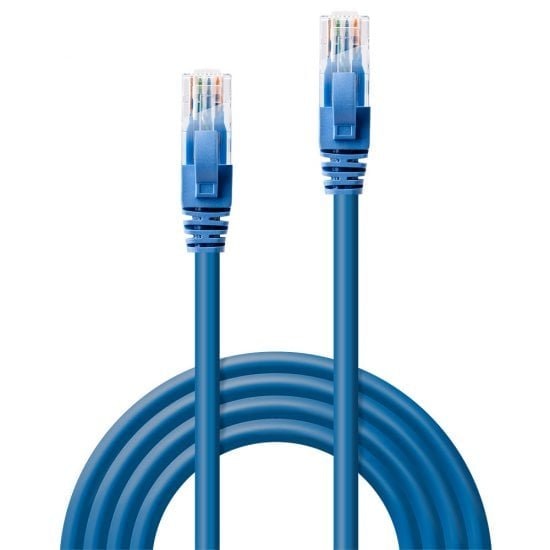
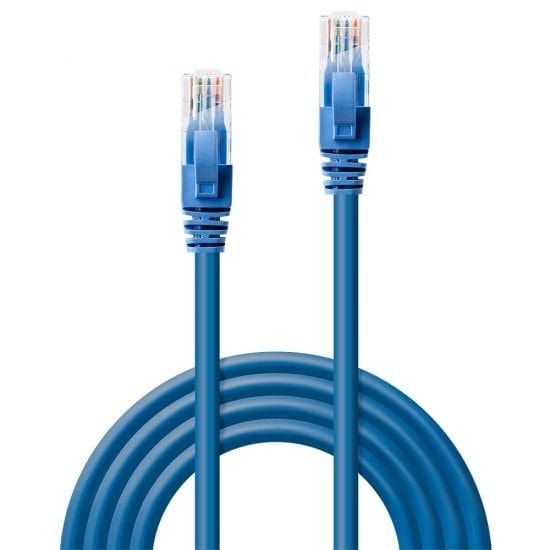
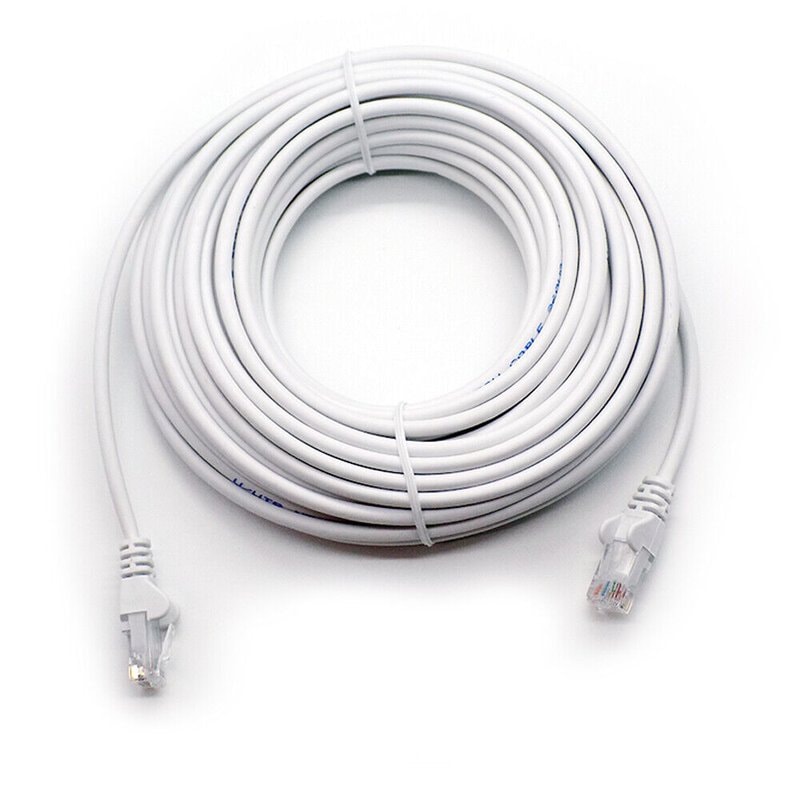
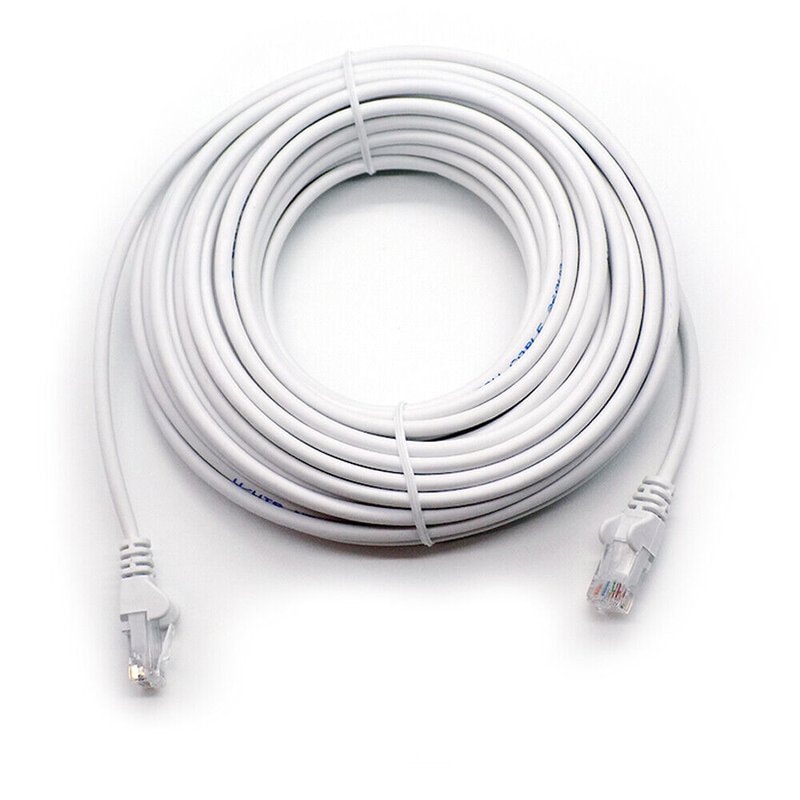
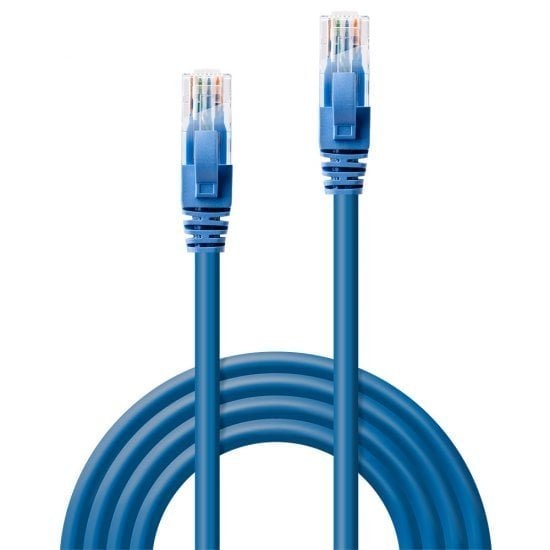
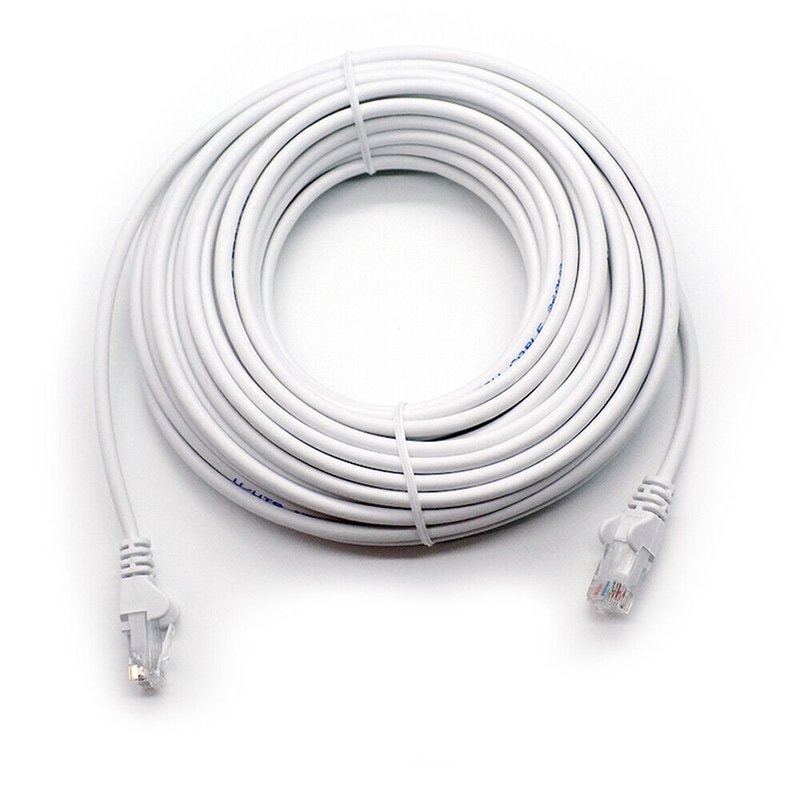
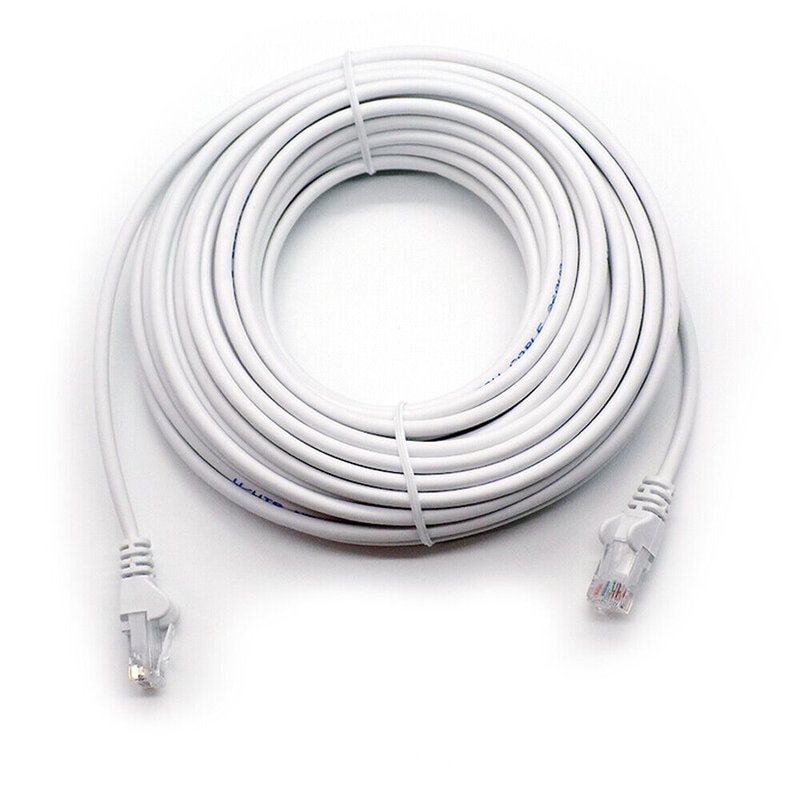


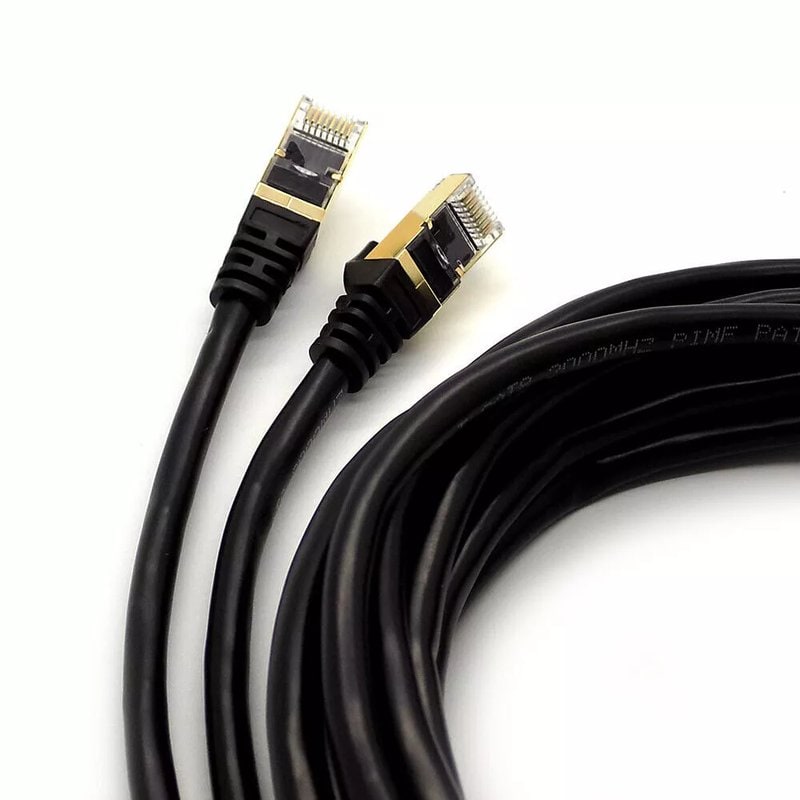
This range covers Cat6 Ethernet patch cables from 1m up to 30m, in standard and U/UTP construction, mostly terminated with RJ45 connectors at both ends. They carry power over Ethernet (PoE) and data between switches, routers, network video recorders (NVRs) and IP cameras.
How to choose
- Length: pick the shortest cable that comfortably reaches, with slack for routing. Short leads (1m–5m) suit patch panels and desk runs; longer runs (10m–30m) suit camera drops or room-to-room links.
- Colour: white and blue options are listed, useful for keeping camera runs visually separate from other network cabling.
- Cat6 rating: Cat6 supports higher data rates than older Cat5e cable over short-to-medium runs, which matters for multi-camera PoE systems sharing bandwidth.
- U/UTP construction: unshielded twisted pair, suited to typical indoor installs rather than high-interference industrial settings.
Whatever length you pick, check it against your NVR's channel count and your switch's PoE budget so every camera actually gets power and a data path.
What else you'll need
A patch lead alone doesn't power a camera — confirm your PoE switch or injector has spare capacity, and that your NVR has a free channel for each new run.
Ethernet — frequently asked questions
What length Cat6 cable do I need for a CCTV camera?
It depends on the distance from camera to switch or NVR. This range runs from 1m up to 30m, so measure the actual route first, including any slack for corners.
Can these cables carry power over Ethernet (PoE)?
Yes, Cat6 patch leads in this range are suited to PoE use, carrying both data and power to compatible cameras and devices over a single cable.
Does the cable colour matter?
Not for performance. White and blue options are listed mainly so installers can distinguish CCTV runs from other network cabling on site.
Related guides
- CAT5e vs CAT6 Cables: Speed, Distance & CCTV ComparisonFor many IP camera runs, Cat5e is enough: it is rated for up to 1 Gbps over 100 m, and the camera, switch and NVR set the link speed, not the marking on the…
- Cat5e Cable for CCTV: Speed & Distance 2026Cat5e will carry an IP camera's data and PoE power over a single run, and it's rated for up to 1 Gbps at 100 MHz bandwidth under the Category 5 cable standard…